Whoa! The first time I tried moving a Solana NFT off my phone and into a browser, something felt off. My instinct said the flow would be smooth, but the reality was clunky. The wallet pop-ups didn’t align, network confirmations were scattered, and the UI kept asking me to switch between tabs. It made the whole experience feel less like a single, coherent moment and more like a bunch of disconnected chores.
Seriously? Yeah. Web3 on desktop should feel native by now. But a lot of wallet integrations still treat the browser as an afterthought. I’ll be honest — I’m biased toward products that make complex cryptography feel almost invisible. Initially I thought the problem was just tooling, but then I realized the deeper issue: UX patterns for wallets grew up on mobile and mobile-first patterns don’t always translate well to multi-window browsing. On one hand the desktop gives you power, though actually it also gives you more surface area for things to go wrong.
Here’s the thing. You want to mint, view, or transfer an NFT and still keep the vibe of discovery. You want to click a thing and not wonder fifteen steps later whether gas was paid. The mental load should be low. My gut said the right answer was a web-first wallet experience that behaves like a native browser extension, while still keeping strong security guarantees. And yes, that balance is hard. I dug in and tried a few approaches, and I ended up circling back to a single tool that felt like the clearest compromise.
Hmm… little tangents are fun. (Oh, and by the way…) The usual desktop pattern is a popup window or an extension icon that triggers a modal. That works for small dapps. But for NFT galleries and marketplaces, your attention needs to live in the page for longer. You need quick previews, smooth signing, and a predictable security model so collectors can be confident, not hesitant. My rough rule of thumb became: reduce context switches, increase visible provenance, and make confirmations deliberate but fast.
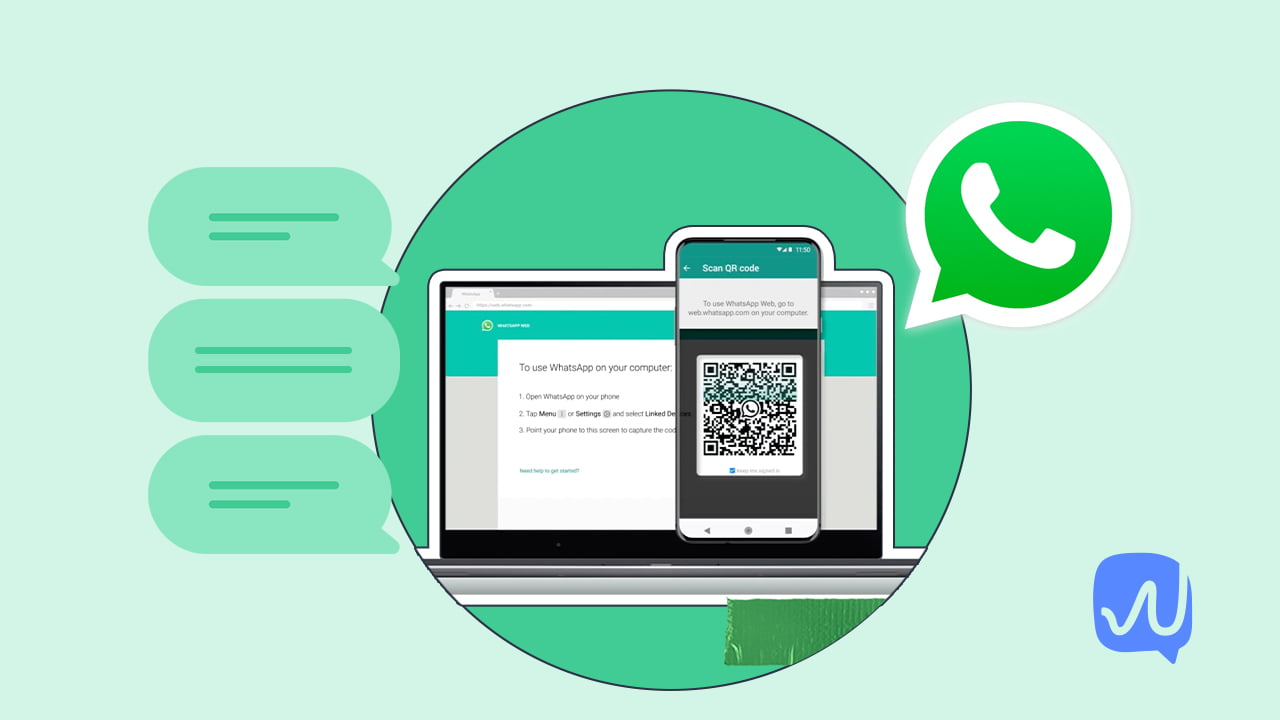
What a Web-First Phantom Experience Actually Solves
Whoa! Small wins matter. A single click should show your NFT collection. Sounds trivial, but many wallets still require multiple clicks. Medium work, done right, gives huge perceived polish. A web-first approach reduces friction by integrating signing flows into the page so users can stay focused rather than bouncing between app and wallet pop-up. Long-term, that smoother flow leads to more confident purchases and more repeat engagement from collectors who don’t want the tech headaches.
Seriously — the security bits are the interesting part. You want clear origins and robust transaction previews. Medium-length confirmations help users understand what they’re signing without drowning them in raw instructions. And longer explanations, anchored to contextual UI cues, protect both novice and power users when the transaction is non-standard or involves multiple signatures.
My instinct said trust in the wallet should be earned fast. Initially I thought a minimalist confirmation UI was the right approach, but then realized that minimalism can hide dangerous details. Actually, wait — let me rephrase that: minimalism is fine for routine transfers, though for NFT sales or complex marketplace interactions you need explicit provenance and clear metadata display. So the web experience must adapt dynamically to the operation being requested.
Real UX Patterns That Helped Me Build Confidence
Whoa! Good microcopy matters. Labels like “Sign purchase” or “Approve transfer” should feel precise and human. Medium explanations, placed right where users expect them, reduce error. Long contextual tooltips that show token metadata, seller history, and a compact activity trail are where trust gets built over minutes, not seconds. These patterns helped me feel less like I was faking my way through cryptography and more like I was making informed decisions.
Check this out — when a web wallet shows clear token metadata and the collection provenance in-line, it flips the mental model from fearing the unknown to exploring confidently. Medium-level design changes like persistent confirmations, transaction queues, and inline activity logs reduce surprise. Longer flows, such as royalties splitting or atomic market executions, should surface additional checks so collectors can see exactly what will happen after they click confirm.
I’m not saying it’s perfect everywhere. Some marketplace integrations still assume a mobile flow and force awkward redirects. That part bugs me. But the better web experiences I’ve used (and built with) show a pattern: keep the user on the page, make confirmations readable, and always show the who/what/why behind a transaction.
Security: The Tradeoffs You Have to Be Honest About
Whoa! There’s no zero-risk option. Hot wallets are convenient but come with exposure. Short sentence. Medium level safeguards, like transaction previews and origin locks, go a long way. On the other hand, long-running sessions and persistent approvals can be abused if not constrained by strong UX guardrails and periodic re-authentication prompts.
Initially I thought auto-approvals were a necessary convenience, then realized those conveniences can be abused by phishing dapps. So, yeah, revoke abilities are vital. Medium safeguards like visible approval dashboards and one-click revoke buttons help users remediate quickly. Longer-term solutions will likely combine hardware keys with browser-level attestation to minimize compromise risk while preserving smoothness.
I’m biased toward providing users maximum transparency, even if that means a little extra friction. I’m also not 100% sure which anti-phishing layer will win long term — phish-resistant UIs, attestation, or decentralized reputation systems — but the web experience must be resilient enough to adapt.
How Integrations Should Treat NFTs Differently Than Fungible Tokens
Whoa! NFTs are narrative objects. You don’t just trade them, you admire them. Short sentence. Medium interactions — like large hover previews, provenance timelines, and one-click listing flows — make a big difference for collector psychology. Longer interactions should expose metadata, on-chain royalties, and seller history so buyers make deliberate choices rather than accidental ones.
Marketplaces that shove a raw transaction onto the user miss the point. Medium UI choices like inline image caching and metadata checks boost confidence. And long checks, such as validating creator addresses against known registries, reduce fraud vectors and preserve long-term market health.
Okay, so check this out — when a web-first wallet ties into the page to show these details at the moment of signing, it creates an effortless collector experience. That turns casual interest into a buy moment, which is the real metric most creators and platforms want to optimize for.
I’ll be honest: not every user needs every piece of data. But allowing power users to drill down while keeping the surface minimal for newcomers is an art. My approach was progressive disclosure — show the essentials, let users request more, and always make the critical bits impossible to miss.
Where to Start If You Want a Smoother Web NFT Experience Today
Whoa! Try to consolidate your wallet interactions. Short sentence. Use an extension or integrated web wallet that shows token metadata before signing. Medium-level integrations around transaction staging and previews are non-negotiable. Longer approaches include on-ramp verification and reputation signals embedded in the page, though those require broader ecosystem adoption.
For most users the practical advice is simple: pick a wallet that is built with web flows in mind and supports Solana’s ecosystem natively. If you’re exploring solutions, give the web extension a spin and pay attention to how it surfaces NFT provenance, how it queues transactions, and how easy it is to revoke approvals. The one I keep returning to in my workflow is the phantom wallet, because it balances a native feeling web integration with solid security affordances and clean NFT previews.
FAQ
Q: Are web wallets less secure than mobile wallets?
A: Not inherently. Short answer: both have tradeoffs. Medium-level defenses like origin locks, hardware key support, and clear UI for approvals help reduce risk. Longer strategies involve browser-level attestation and integration with secure elements, which are still maturing but promising.
Q: How can creators ensure buyers see metadata reliably?
A: Host metadata redundantly and sign it on-chain when possible. Medium practices include anchoring metadata URIs to reputable storage and showing off-chain previews only after on-chain validation. Longer-term, decentralized indexing and content-addressable storage will make provenance easier for wallets to verify automatically.
Q: What should marketplaces prioritize for web users?
A: Prioritize inline confirmations, robust metadata display, and reversible actions for common mistakes. Medium fixes like clear microcopy and staging transactions reduce user fear. Long-term, standardized signing flows and cross-platform UX guidelines will make the space less intimidating for mainstream collectors.
